Overview
Five sites were collected at weekly intervals during both summers of 2024 and 2025. These sites were near:
- Beaver Slough Scales;
- Coquille River Walk;
- Fairview Road and Central;
- Garden Valley Road and Hwy 42;
- North Cedar Point Road (2025);
- W. Central and Hwy. 42 (2024)
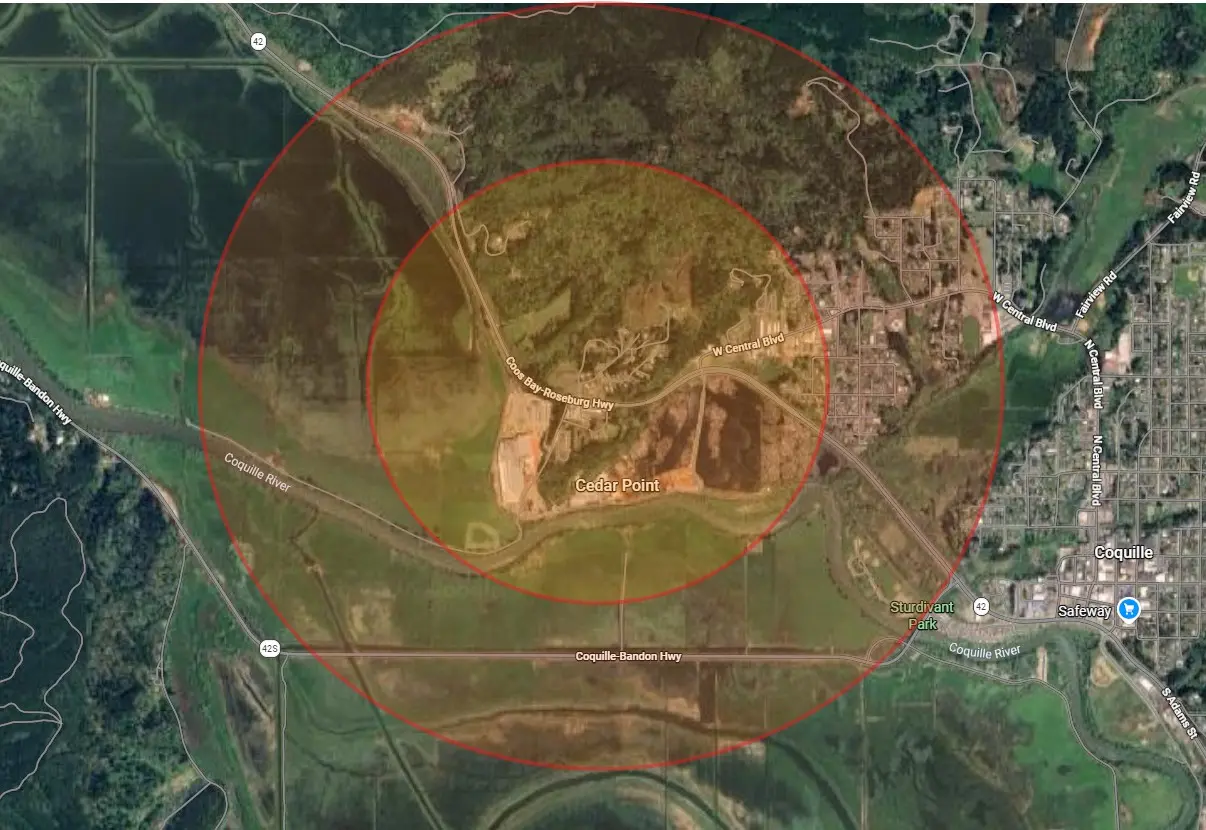
The two most abundant mosquito species collected were Aedes vexans and Culex tarsalis. These two species have the furthest flight ranges of all species collected: up to 20 miles for A. vexans and up to 15 miles for C. tarsalis. The map below shows both a 20 mile radius circle and a 15 mile radius circle around the City of Coquille. The long distances these two species are capable of flying make it extremely difficult to determine locations of specific or local reproduction sites that may be contributing to periodic outbreaks of mosquitoes in residential areas in and around Coquille.
Beaver Slough Scales
2025 Beaver Slough Scales Mosquito Species
| Genus | Species | Number Trapped | Percentage Trapped At Site |
|---|---|---|---|
| Aedes | vexans | 8 | 27% |
| Coquillettidia | perturbans | 6 | 20% |
| Culex | tarsalis | 2 | 6% |
| Culiseta | incidens | 8 | 47% |
| Culiseta | inornata | 2 | 47% |
| Culiseta | particeps | 4 | 47% |
| Total | Not Applicable | 30 | Not Applicable |
2024 Beaver Slough Scales Mosquito Species
| Genus | Species | Number Trapped | Percentage Trapped At Site |
|---|---|---|---|
| Aedes | vexans | 39 | 98% |
| Culex | tarsalis | 1 | 2% |
| Total | Not Applicable | 40 | Not Applicable |
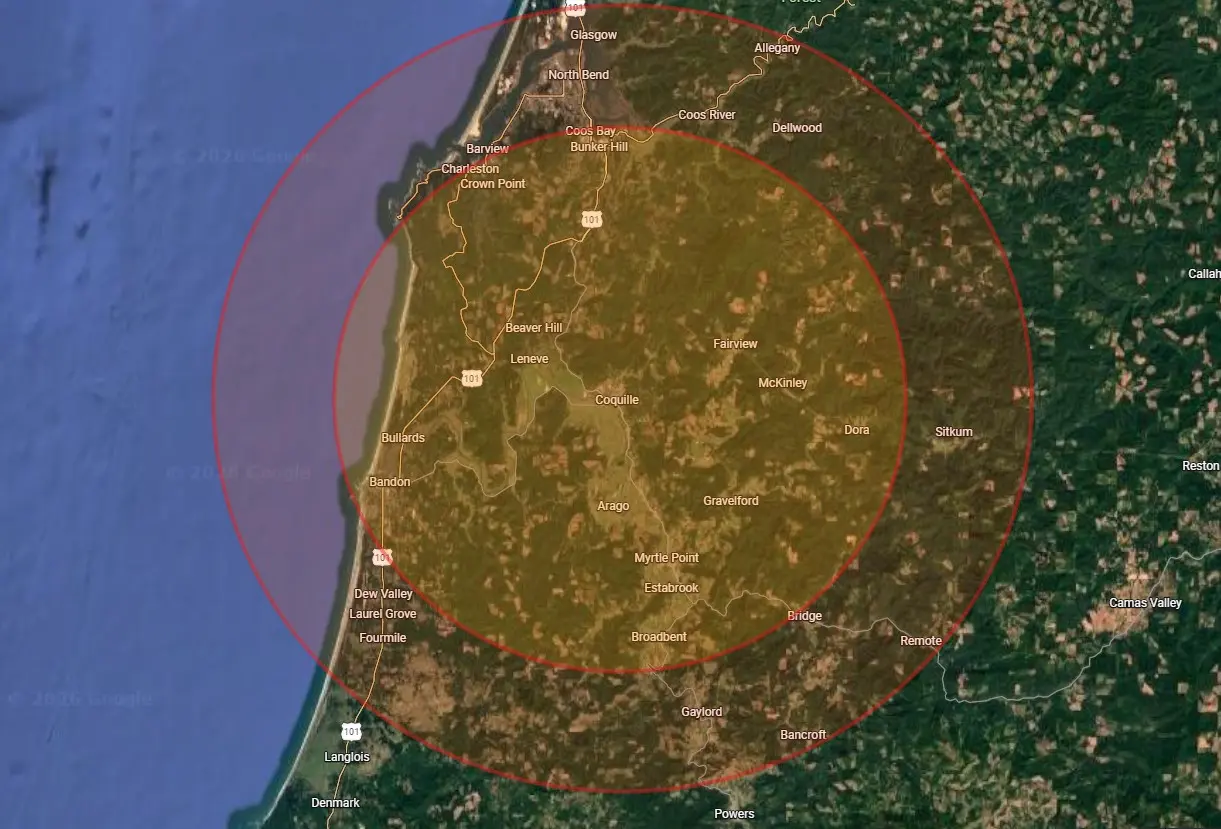
In 2025 the Beaver Slough Scales site had significant percentages of Coquillettidia perturbans with a 5 mile flight range and Culiseta incidens with a 1 mile flight range. The Map below shows a 5 mile and a 1 mile radius around the Beaver Slough Scales mosquito trap site representing the extent where breeding sites for these two species may occur around this location.
Coquille River Walk
2025 Coquille River Walk Mosquito Species
| Genus | Species | Number Trapped | Percentage Trapped At Site |
|---|---|---|---|
| Aedes | vexans | 167 | 67% |
| Anopheles | punctipennis | 5 | 2% |
| Culex | pipiens | 20 | 29% |
| Culex | tarsalis | 52 | 29% |
| Culiseta | incidens | 2 | 2% |
| Culiseta | inornata | 1 | 2% |
| Culiseta | particeps | 3 | 2% |
| Total | Not Applicable | 250 | Not Applicable |
2024 Coquille River Walk Mosquito Species
| Genus | Species | Number Trapped | Percentage Trapped At Site |
|---|---|---|---|
| Aedes | Unidentified species | 47 | 70% |
| Aedes | melanimon | 1 | 70% |
| Aedes | vexans | 124 | 70% |
| Culex | pipiens | 46 | 29% |
| Culex | tarsalis | 26 | 29% |
| Culiseta | inornata | 1 | 1% |
| Total | Not Applicable | 250 | Not Applicable |
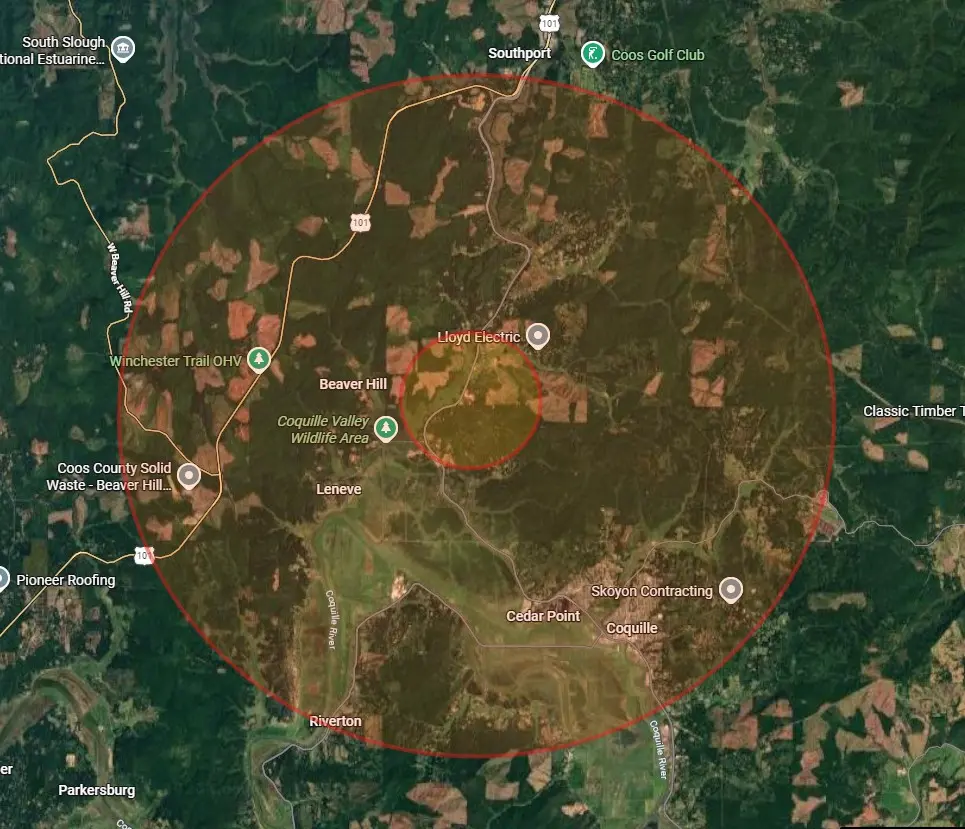
Besides the two long-range flight mosquitoes (Aedes vexans and Culex tarsalis) the Coquille River Walk trap site had a significant percentage of Culex pipiens with a flight range of 0.5 miles. Two other species trapped at this location include Anopheles punctipennis and Culiseta incidens, both with the capability to fly up to a mile from their breeding ground. The map below shows a 1 mile and a 0.5 mile radius around the Coquille River Walk trap site illustrating the distance of potential breeding locations at this site for these species.
Fairview Road and Central
2025 Fairview Road and Central Mosquito Species
| Genus | Species | Number Trapped | Percentage Trapped At Site |
|---|---|---|---|
| Aedes | sierrensis | 1 | 14% |
| Aedes | vexans | 27 | 14% |
| Anopheles | punctipennis | 67 | 34% |
| Coquillettidia | perturbans | 10 | 5% |
| Culex | pipiens | 28 | 35% |
| Culex | tarsalis | 41 | 35% |
| Culiseta | incidens | 6 | 12% |
| Culiseta | inornata | 1 | 12% |
| Culiseta | particeps | 16 | 12% |
| Total | Not Applicable | 197 | Not Applicable |
2024 Fairview Road and Central Mosquito Species
| Genus | Species | Number Trapped | Percentage Trapped At Site |
|---|---|---|---|
| Aedes | vexans | 46 | 65% |
| Anopheles | punctipennis | 8 | 11% |
| Coquillettidia | perturbans | 1 | 1% |
| Culex | pipiens | 6 | 17% |
| Culex | tarsalis | 6 | 17% |
| Culiseta | incidens | 1 | 6% |
| Culiseta | inornata | 3 | 6% |
| Total | Not Applicable | 71 | Not Applicable |
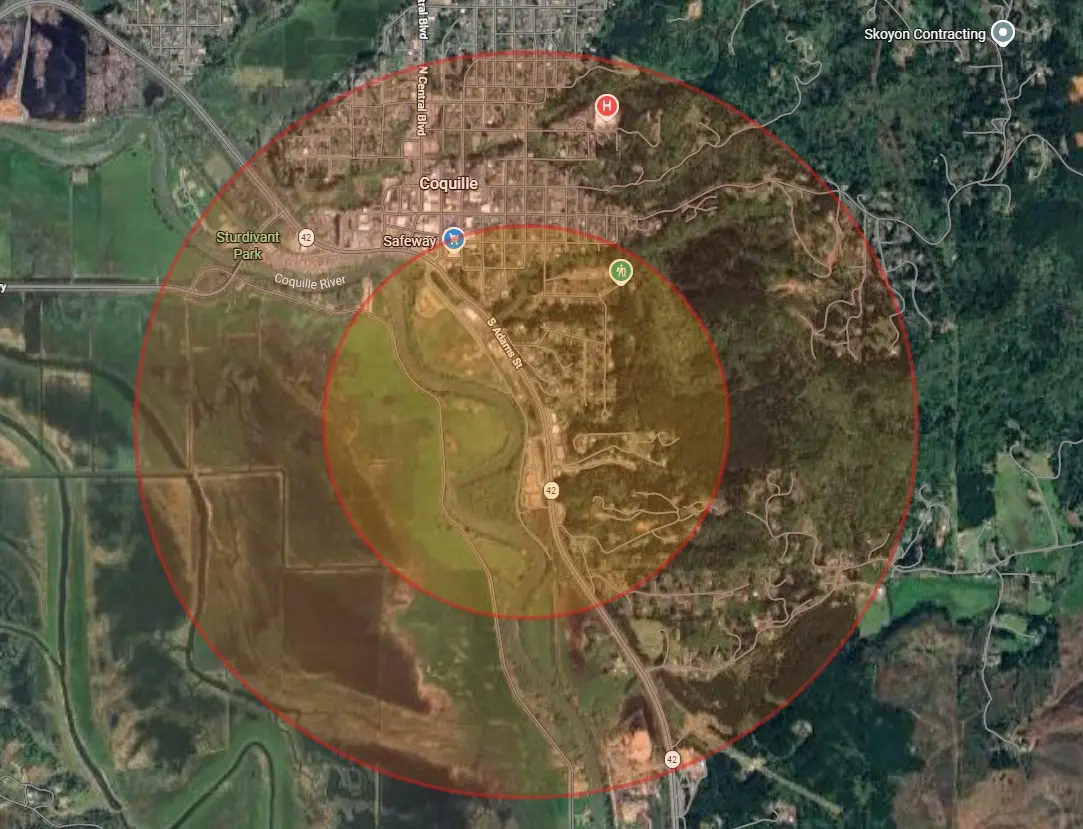
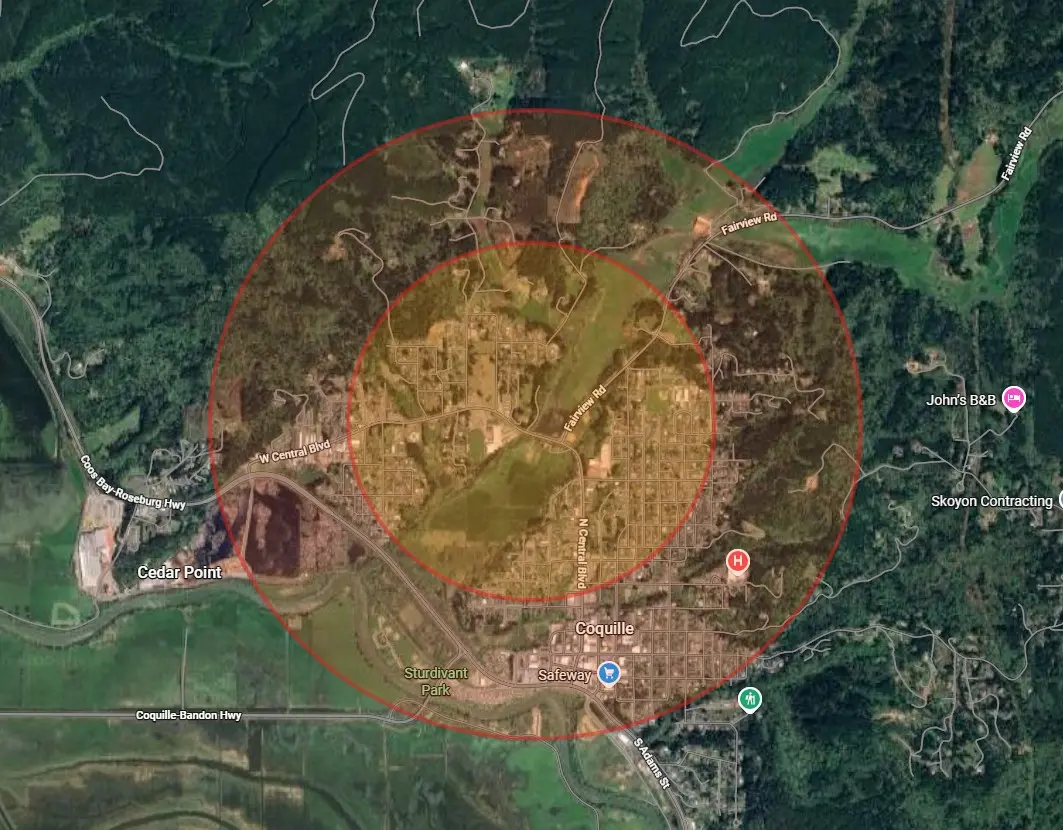
The Fairview Road and Central trap site had a significant percentage of Anopheles punctipennis with a flight range of up to 1 mile. Two other species trapped at this location include Culiseta incidens, also with the capability to fly up to a mile from their breeding ground and Culex pipiens with a 0.5 mile flight range. The map below shows a 1 mile and a 0.5 mile radius around the Fairview Road and Central trap site illustrating the distance of potential breeding locations at this site for these species.
Garden Valley Road and Highway 42
2025 Garden Valley Road and Hwy. 42 Mosquito Species
| Genus | Species | Number Trapped | Percentage Trapped At Site |
|---|---|---|---|
| Aedes | excrucians | 2 | 99% |
| Aedes | sierrensis | 1 | 99% |
| Aedes | vexans | 3,579 | 99% |
| Coquillettidia | perturbans | 1 | <1% |
| Culex | pipiens | 2 | <1% |
| Culex | tarsalis | 20 | <1% |
| Culiseta | incidens | 3 | <1% |
| Culiseta | inornata | 3 | <1% |
| Total | Not Applicable | 3,611 | Not Applicable |
2024 Garden Valley Road and Hwy. 42 Mosquito Species
| Genus | Species | Number Trapped | Percentage Trapped At Site |
|---|---|---|---|
| Aedes | Unidentified sp. | 20 | 99% |
| Aedes | vexans | 3,251 | 99% |
| Anopheles | punctipennis | 1 | <1% |
| Coquillettidia | perturbans | 1 | <1% |
| Culex | pipiens | 7 | <1% |
| Culex | tarsalis | 7 | <1% |
| Total | Not Applicable | 3,287 | Not Applicable |
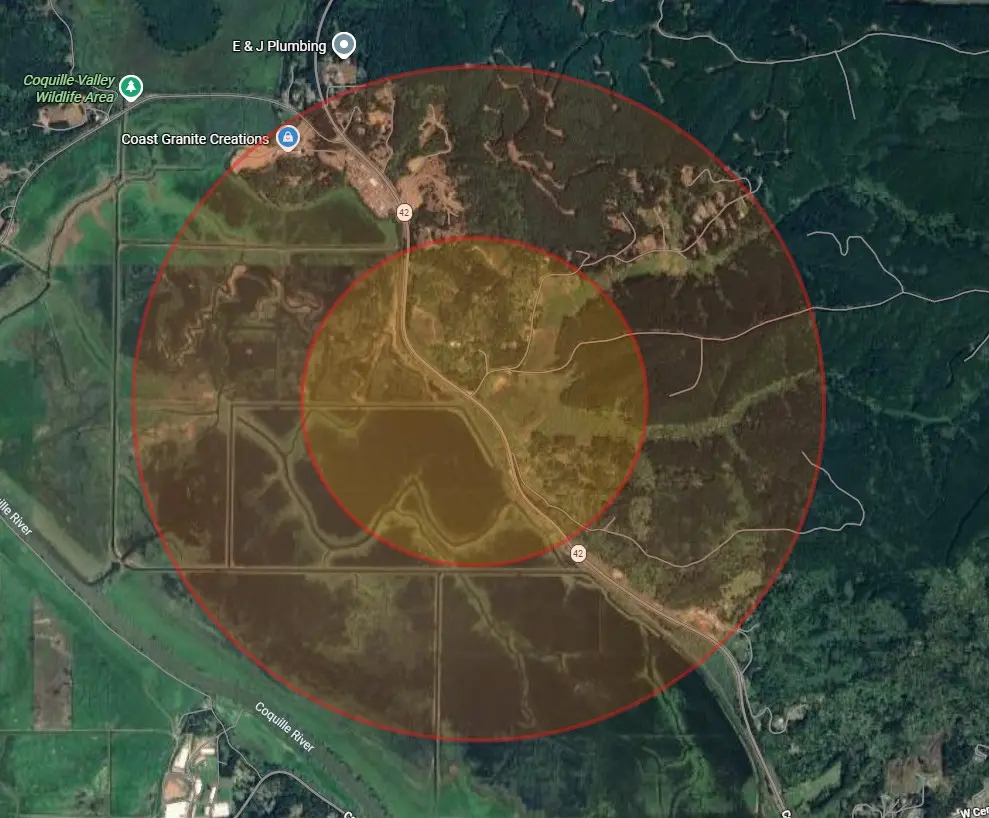
The Garden Valley and Highway 42 trap results are noteworthy in the large numbers of Aedes vexans mosquitoes caught there. Aedes vexans can be long distance travelers with flight ranges up to 20 miles. The map below shows both a 1 mile and a 0.5 mile radius around this trap site to display the flight ranges of Culiseta incidens and Culex pipiens, respectively, although these two species did not have a significant presence at this site.
North Cedar Point Road (2025)
2025 N. Cedar Point Road Mosquito Species
| Genus | Species | Number Trapped | Percentage Trapped At Site |
|---|---|---|---|
| Aedes | excrucians | 3 | 93% |
| Aedes | sierrensis | 3 | 93% |
| Aedes | vexans | 1,179 | 93% |
| Anopheles | punctipennis | 8 | <1% |
| Coquillettidia | perturbans | 1 | <1% |
| Culex | pipiens | 5 | 2% |
| Culex | tarsalis | 29 | 2% |
| Culiseta | incidens | 33 | 4% |
| Culiseta | inornata | 1 | 4% |
| Culiseta | particeps | 13 | 4% |
| Total | Not Applicable | 1,275 | Not Applicable |
West Central and Highway 42 (2024)
2024 W. Central and Hwy. 42 Mosquito Species
| Genus | Species | Number Trapped | Percentage Trapped At Site |
|---|---|---|---|
| Aedes | species | 15 | 65% |
| Aedes | increpitus | 1 | 65% |
| Aedes | vexans | 97 | 65% |
| Coquillettidia | perturbans | 3 | 2% |
| Culex | pipiens | 28 | 29% |
| Culex | tarsalis | 23 | 29% |
| Culiseta | incidens | 1 | 4% |
| Culiseta | inornata | 5 | 4% |
| Total | Not Applicable | 173 | Not Applicable |
For discussion purposes these two sites are combined because of their close proximity. Like the Garden Valley trap site, these two sites had large numbers of Aedes vexans. In 2025 Culiseta incidens with a flight range of 1 mile and in 2024 Culex pipiens with a flight range of 0.5 miles were trapped at notable numbers. The map below shows both a 1 mile and a 0.5 mile radius around this trap site to display the flight ranges and potential breeding locations of Culiseta incidens and Culex pipiens, respectively.